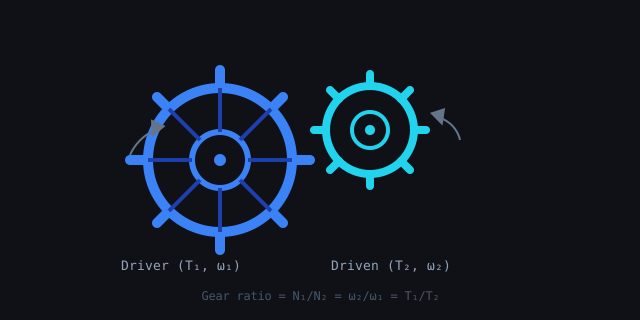
Gear ratio and torque multiplication
The gear ratio (i = N₂/N₁) defines the speed and torque relationship between driver and driven gears. A ratio greater than 1 reduces speed and multiplies torque.
- Torque out = Torque in × i × η, where η is mesh efficiency (~0.97–0.99 per stage).
- Compound gear trains multiply individual stage ratios.
- Worm gear sets achieve large ratios in one stage but with lower efficiency (60–90%).
Module and tooth geometry
Module m = D/N defines tooth size. All gears in a mesh must share the same module. Pressure angle (14.5° or 20°) affects tooth strength and contact ratio.
- Higher module = larger, stronger teeth but coarser pitch.
- 20° pressure angle is standard for industrial gears for better load sharing.
- Contact ratio > 1.2 ensures at least some load sharing at all mesh positions.
Service factors and lubrication
Rated power must be derated using an application service factor (KA) for shock loading and a thermal rating for continuous operation.
- Service factor 1.25–2.0 for moderate to heavy shock loads.
- Gearbox oil viscosity should match operating temperature; ISO VG 220–460 is common.
- Monitor oil temperature; exceeding 90°C accelerates oxidation and shortens oil life.